Market News / Story
Deficit for Swedish central government in September 2026
MFN by Modular Finance ·
MFN by Modular Finance reports: Swedish central government payments resulted in a deficit of SEK 23 billion in September. The Debt Office’s forecast was a deficit of SEK 34.6 billion. The difference is mainly due to lower expenditure and higher tax income than forecast. The primary balance was SEK 12.7 billion higher than forecast. Tax income was approximately SEK 5 billion higher than calculated. Furthermore, government expenditure for several agencies was lower than forecast. The Debt…
Related stories
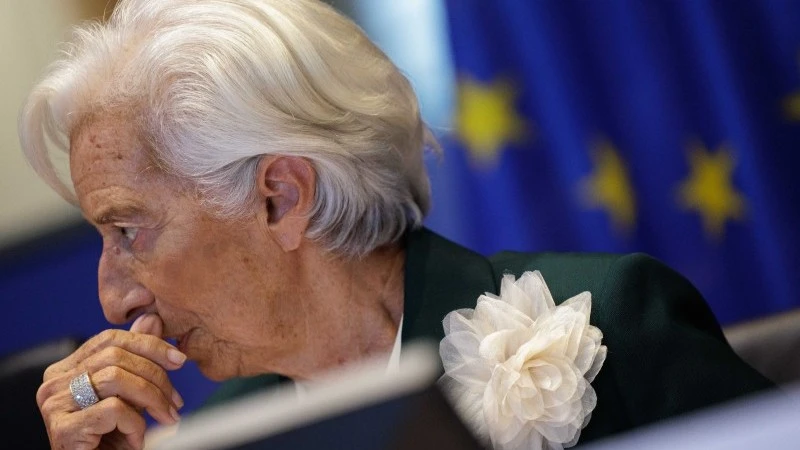 ECB’s September minutes reveal full support for 25bp rate hike
Read story summary
By the time the ECB met in September, a 25bp rate hike had already come to be seen as the most likely outcome. The just-released minutes of that meeting show that the ECB’s Governing Council was united in its view that a worsening inflation outlook and economic resilience called for a hike. The minutes, however, give a less hawkish picture than ECB ...
VIEW SOURCE Account of the monetary policy meeting of the Governing Council of the European Central Bank held in Berlin on 9-10 September 2026
Read story summary
Ms Schnabel started her presentation with the observation that, since the Governing Council’s monetary policy meeting on 22-23 July 2026, euro area financial markets had continued to be driven by energy price developments, with market attention turning to the global rise in long-term yields amid a resilient euro area macroeconomy. Persistently high energy prices, reinforced by concerns about higher food price inflation, had pushed market expectations regarding the outlook for inflation and policy rates higher. Energy prices and futures curves had moved up owing to renewed US-Iran hostilities. In Europe, the focus had shifted from oil to refined products and gas. The price and futures curve of gas oil – a refined, diesel-type product – had moved up significantly, reflecting concerns about limited refining capacity. Similarly, European gas prices had risen to the highest level recorded since early 2023, and low European gas storage levels could put further upward pressure on gas prices. The recent heatwave in Europe and what could likely be a strong “El Ni�o” event had also added to concerns about upward pressure on prices, with international food prices rising significantly over recent months. ECB Accounts: It was particularly important to refrain from giving any guidance regarding the future interest rate path ECB Account: Risks were not all tilted in the same direction Ecb Officials: Policy Response Should Remain `proportionate'
VIEW SOURCE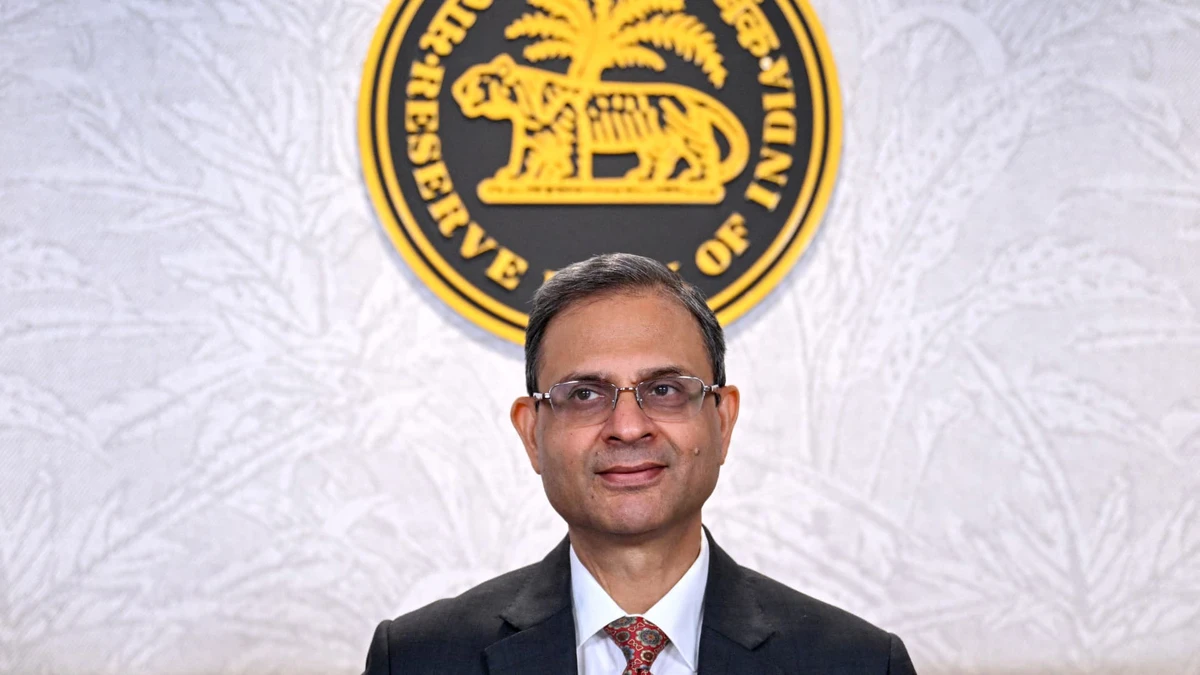 India’s central bank hikes rates for the first time since 2023 as inflation risks build
Read story summary
The Reserve Bank of India on Wednesday raised interest rates for the first time since 2023, joining several major central banks in tightening monetary policy to arrest accelerating inflation. The central bank increased the benchmark repo rate by 25 basis points to a 1-year high of 5.50%, in line with expectations of economists polled by Reuters. India’s ...
VIEW SOURCE