Market News / Story
Bitcoin Slides Toward $84,000 as Iran Ship Attacks Lift Oil, Treasury Yields; Altcoins Weaken

Bloomingbit ·
Bloomingbit reports: Bitcoin fell toward $84,000 as rising oil prices and higher U.S. Treasury yields, driven by Iran's expanded attacks on ships in the Strait of Hormuz, weighed on risk appetite. CoinDesk reported on October 7 that Bitcoin was trading around $84,200 in Asian morning hours, down about 1.5% on the day. The token had climbed to about $86,600 a day earlier before tumbling early Tuesday and briefly touching $83,840. Major altcoins posted steeper losses. Dogecoin fell about 5%…
Related stories
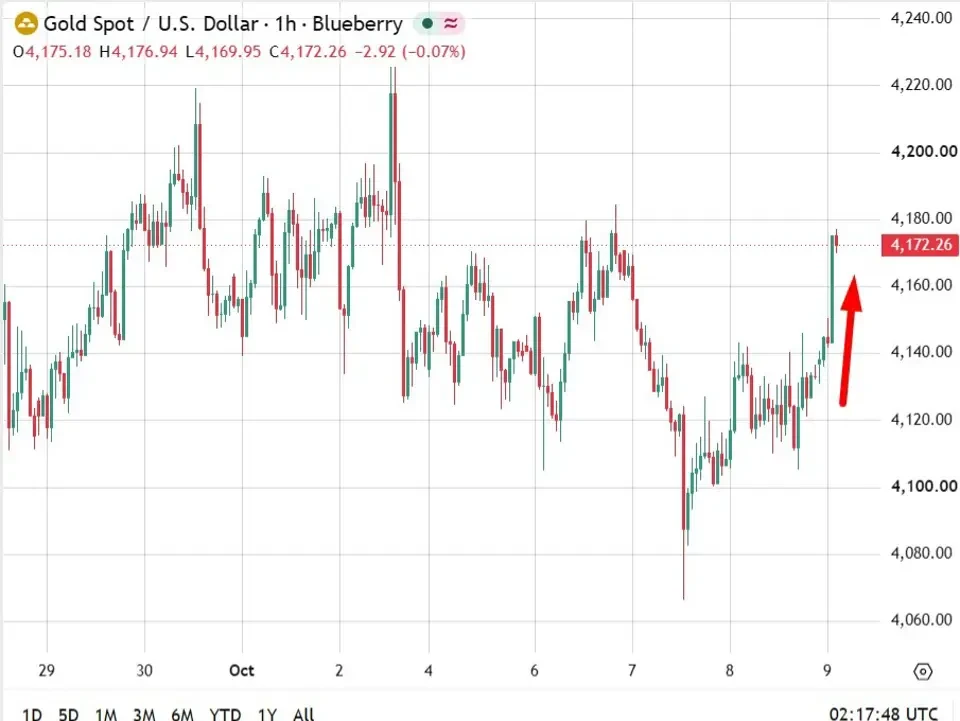 Gold rises toward $4,180 as Treasury yields ease from 24-year highs and US dollar pauses
Read story summary
Gold’s rebound is tied closely to the pullback in Treasury yields, leaving it exposed if the bond selloff resumes ahead of the Fed’s October meeting. With markets pricing an 82% chance of a hike by December, any strong US data or hawkish Fed commentary could quickly push yields back up and gold back toward its recent lows. Oil remains the inflation ...
VIEW SOURCE Tanker attacks push deeper into Gulf, rattle oil markets
Read story summary
An attack on an oil tanker near Qatar, deep inside the Persian Gulf, has raised fears among traders that a surge in strikes on shipping is spreading beyond the Strait of Hormuz, threatening the tanker operations that have helped keep oil flowing despite the conflict. The Acers, an oil and chemical tanker, was struck by several projectiles north of Qatar ...
VIEW SOURCE Treasury: US Is Targeting The Remnants Of Iran's Shadow Fleet
Read story summary
*treasury: Us Is Targeting The Remnants Of Irans Shadow Fleet US Treasury Secretary Bessent: We will keep exposing those who enable Iran's oil sales Operation Economic Outcast Neutralizes Iranian Regime’s Remaining Shadow Fleet Network Today, as part of Operation Economic Outcast, the U.S. Department of the Treasury is targeting the remnants of Iran’s shadow fleet: the aging network of tankers the regime relies on to move billions of dollars’ worth of petroleum and petroleum products to foreign markets. Today’s action effectively neutralizes the vast majority of Iran’s remaining shadow fleet network. “Treasury is starving the tyrannical regime in Tehran of the money it uses to wage war in the region, and we will continue exposing those who enable the regime’s oil sales,” said Secretary of the Treasury Scott Bessent. “No enabler of Iranian sanctions evasion is safe from the full force of Treasury’s authorities.” With the success of the U.S. military’s blockade, dwindling Iranian oil shipments outside the blockage line, and intensifying economic pressure across sectors from Operation Economic Outcast, the regime is running out of options to stabilize Iran’s failing economy. OFAC is taking action against remaining shadow fleet vessels that are continuing to evade U.S. sanctions by transporting Iranian petroleum and petrochemicals. The vessels involved, registered across more than a dozen jurisdictions and operated by an intricate web of international front companies, underscore the global scale of Iran’s illicit shipping architecture and the sophistication with which the regime attempts to mask its sanctions evasion. By dismantling these maritime nodes and the companies behind them, Treasury is severing core channels the Iranian regime has long relied on to circumvent U.S. sanctions, sustain its petrochemical sector, and funnel resources to destabilizing actors. Because this illicit maritime ecosystem is fluid, with vessels routinely entering and ex
VIEW SOURCE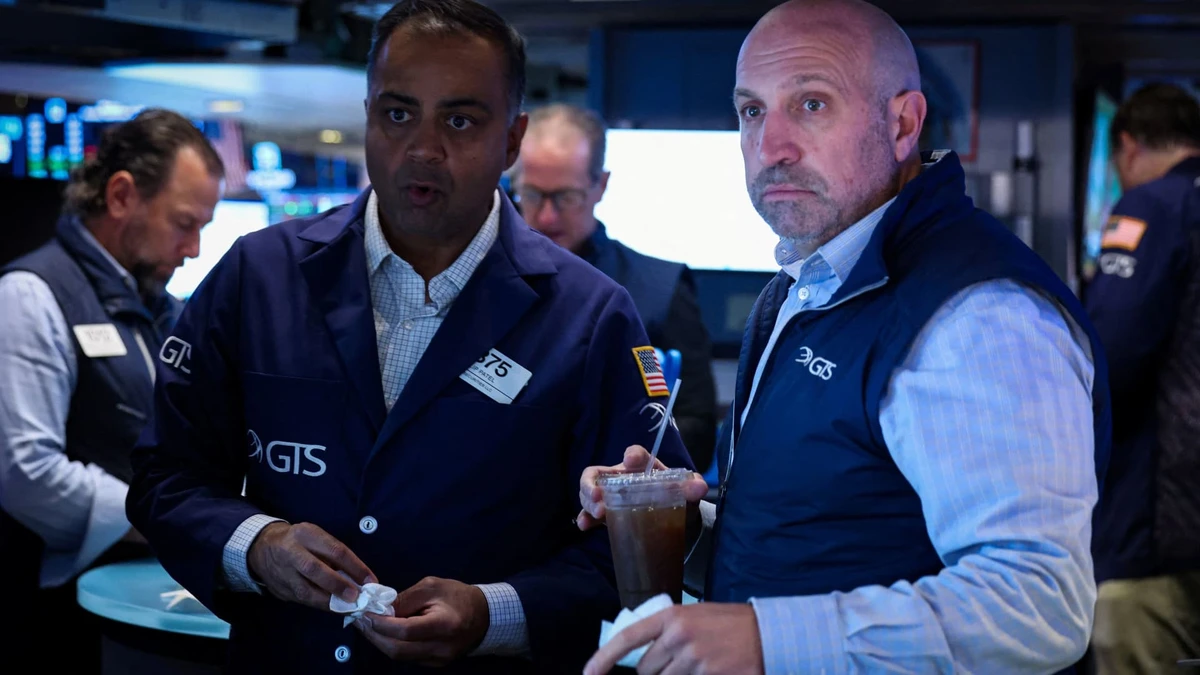 US Treasury yields rise as Fed’s Waller says more hikes needed, investors await 30-year auction
Read story summary
U.S. Treasury yields climbed higher on Thursday ahead of a closely watched long-dated bond auction later. The benchmark 10-year Treasury yield was 4 basis points higher at 5.322%, after reaching its highest level since 2002 on Wednesday before retreating later in the day. The 30-year Treasury bond yield rose over 4 basis points to 5.705%, after trading just ...
VIEW SOURCE